

The early-to-mid 1970s was a golden age for American movies. In that era of political upheaval and economic stagnation, Hollywood abandoned stale formulas and created some of the most enduring and acclaimed films of all time. The Godfather series, of course, captured the imagination like nothing else. As a teenager at the time, I didn’t watch Al Pacino and Marlon Brando and decide I wanted to be a gangster. Two other films did shape my aspirations: All the President’s Men and The Paper Chase. One celebrated intrepid reporters bringing down a president during the Watergate scandal; the other made law school seem noble and heroic.
Together, these two movies convinced me to major in journalism and then go to law school. What better way, I thought, to be on the side of the angels – or at least, the good guys? Reporters and lawyers were the heroes America relied on, and I was going to join them.
I may have dated myself by saying I was a teen in the Seventies. Just as dated (to the point of absurdity) is the idea that journalists and lawyers are heroes. The events of recent decades have made it clear that these professions are filled with very few angels and a great many scoundrels. The American public has lost faith in both professions. Justifiably so.
The First Steep Slide
The reputation of the reporters fell first – and furthest. In the 1970s, when Woodward and Bernstein became legends, 70% of Americans told Gallup they trusted the press to report the news fully and fairly. Fifty years later, that number has fallen below thirty percent. Among Republicans? It’s down to eight.
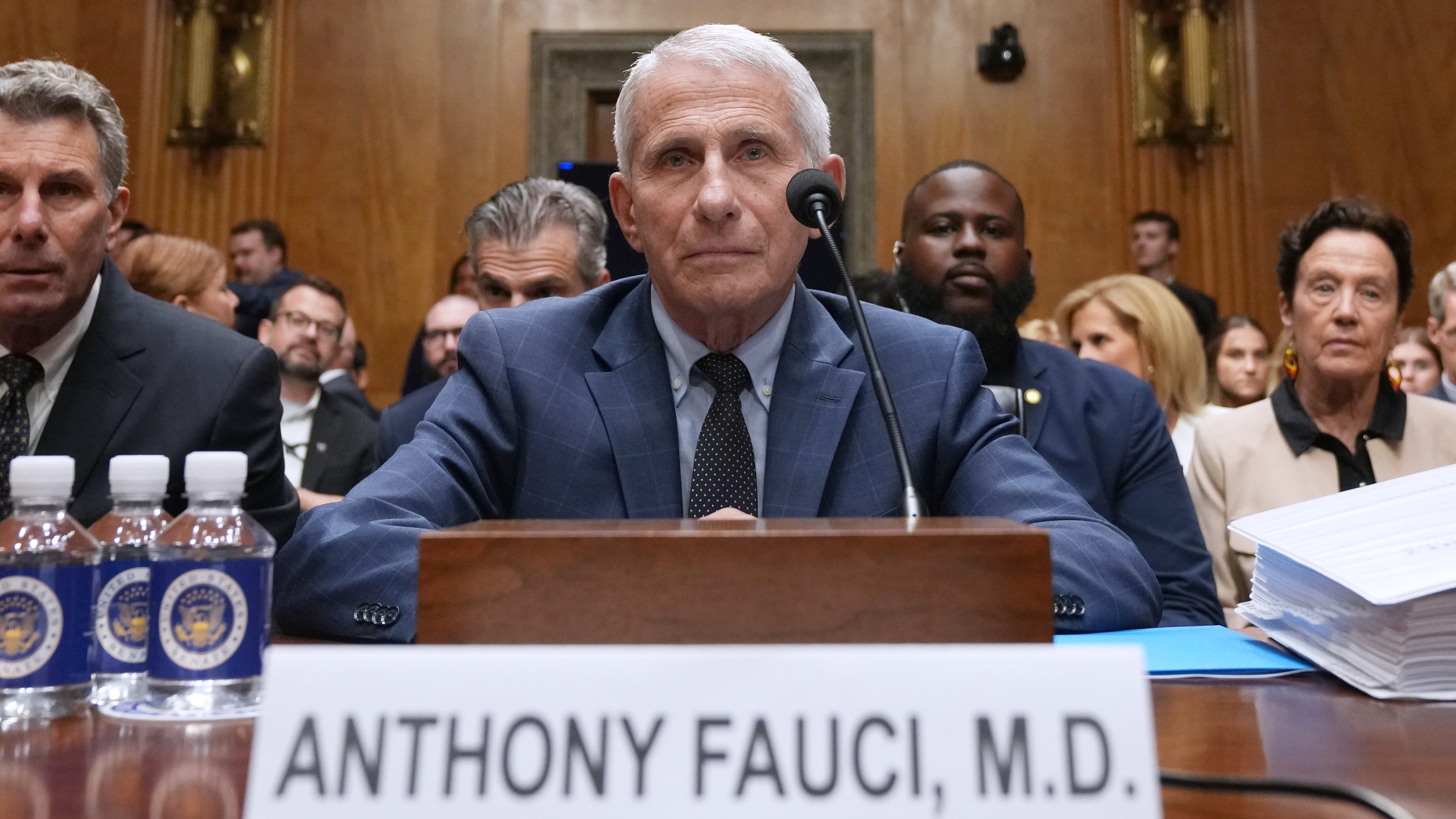
If you listen to the mainstream media, they’ll claim those numbers fell because of right-wing disinformation. The reality, however, is that for the journalism profession, this is an entirely self-inflicted wound. To offer just one example, consider last week’s Fauci hearings in the United States Senate. Despite having been granted a pardon by President Biden, the great authority of the pandemic era took the Fifth Amendment more than 100 times, refusing to say how the virus began, how the lockdowns were justified, or even what color tie he was wearing. A powerful official, a sworn setting, a hundred unanswered questions? For those of us raised on the heroics of Woodward and Bernstein, this was the moment for a free press to push tenaciously for accountability.
Instead of demanding truth from power, the press framed Fauci’s silence as a heroic necessity. They called the hearings a witch hunt and a waste of time. Within living memory, reporters asked powerful men what they knew and when they knew it. The press that inherited (and squandered) that legacy now turns its fury on those asking the questions. A profession that built its prestige probing the powerful now spends that prestige protecting them – provided, that is, that the powerful are the right sort of progressives. The American people see through the hypocrisy, which explains why so few trust mainstream journalists any longer. I’m glad that the public is not deceived, but I’m not happy to see a profession I once admired debase itself.
There’s a very similar arc to the fall of the legal profession. I still love to watch the idealistic lawyers of The Paper Chase. I grew up believing that passionate attorneys were all that stood between the little guy and the full weight of the state. Those lawyers still exist, but they are increasingly crowded out by another kind. These are the ones who see the courtroom less as a forum for delivering justice for the little guy – and more as a venue in which to wring cash from the taxpayer and the consumer.
Losing On Schedule
One typical and outrageous example: In 2020, at the height of the Woke frenzy occasioned by COVID and George Floyd, the city of Charleston, South Carolina sued a group of energy companies, claiming their gasoline had caused climate change. Court after court rejected the claim over the next five years, but the city – or more accurately, its outside lawyers – refused to give up. Final legal defeat did not come until August 2025 when the case was dismissed on the grounds of federal preemption. The city’s lawyers did not care – after all, they were never actually trying to win. Filing the suit was victory in itself, as it cost the companies millions to defend, kept climate change in the headlines, and inspired activists in other cities to demand their communities do the same.
As I explain in The Political Vise, today’s trial bar works hand in glove with Big Green nonprofits. Activists supply the cause, lawyers file the case and the lawsuit does what neither could do at the ballot box. Nothing gets built. The trial bar just makes things cost more, while the threat of the next suit does as much damage as the suit itself. For the activist, the thrown-out case is not a loss when the lawsuit itself hurts the businesses he hates. For the trial bar, it’s not a loss either. Even in defeat, the lawyer rakes in handsome fees.(An often cited Rand study found that in class action suits, less than twenty cents of every dollar awarded reaches the injured people in whose name the suit was brought.)
Over the course of the last fifty years two noble professions have increasingly indulged self-interest and naked partisanship over public service. I can’t diagnose a motive, but I can diagnose an outcome. So too can the American people, who increasingly regard journalists and attorneys alike with a suspicion bordering on contempt. They have been given good reason.
Credit That Can’t Be Printed
Please understand, I’m not just indulging in nostalgia for the 1970s. (Terrible fashion, dreadful interest rates, but yes, great films.) My concern is with the loss of something two centuries older than that decade: the basic principle that our republic runs on a kind of trust it can neither print nor legislate into being. Squander that trust, as these two professions have, and the machinery of our republic may not stop, but it will start to run badly.
A people who no longer believe the press will tell them the truth do not stop wanting the truth. They go hunting for it online, struggling to discern the difference between grift and service. They fall prey to odd conspiracies, not because they are gullible but because the profession that once exposed those conspiracies has lost all credibility.
As bleak as things are, I still have hope. Many good reporters – having left or been driven from newsrooms that no longer care about the truth – have landed on Substack or other independent sites like The Free Press, The Federalist, Just the News, and others. Good journalism is still being done, just as we still have good lawyers taking hard cases for the right reasons. The ideals I saw on screen fifty years ago were not lies. They were real and can be real again. But ideals like these cannot be restored by the same people who traded them away.
Fifty years ago, I wanted to be one of the good guys. Those good guys are still out there, still doing the work, now almost entirely outside the newsrooms and law firms that used to be their homes. It’s harder work now, done with less money, less prestige, and less cinematic glory. They do it anyway. I believe in time they will redeem their professions. The future of liberty, and of our republic, hinges upon that redemption.
The attorneys you describe as being unethical are a very small portion of the licensed attorneys. I have practiced ov3er 50 years and know attorney that ave filed the typem of cases you described.