

I gave a speech last month about Genghis Khan. Now, I’m not a professional historian. But I am curious about the past. As someone who has spent years studying and practicing politics, I’m especially interested in how leaders in the past acquired and used power. And what I’ve found is that American exceptionalism is the reason we’re not completely at the mercy of brutal warlords like Genghis Khan.
A little over eight hundred years ago, Genghis Khan emerged from Mongolia and headed west. His genius, his will, and his strategic mind all found expression through conquest. He took what he wanted because he had the power to do so. By the time his own extraordinary life came to an end, Khan had killed nearly 10% of the world’s population – a figure that no modern dictator, not even Mao or Stalin – has been able to match. Genghis Khan is the preeminent symbol of how the world worked for thousands of years. If you were willful and talented and driven, you became a warlord. Ambition found its fullest expression in conquest.
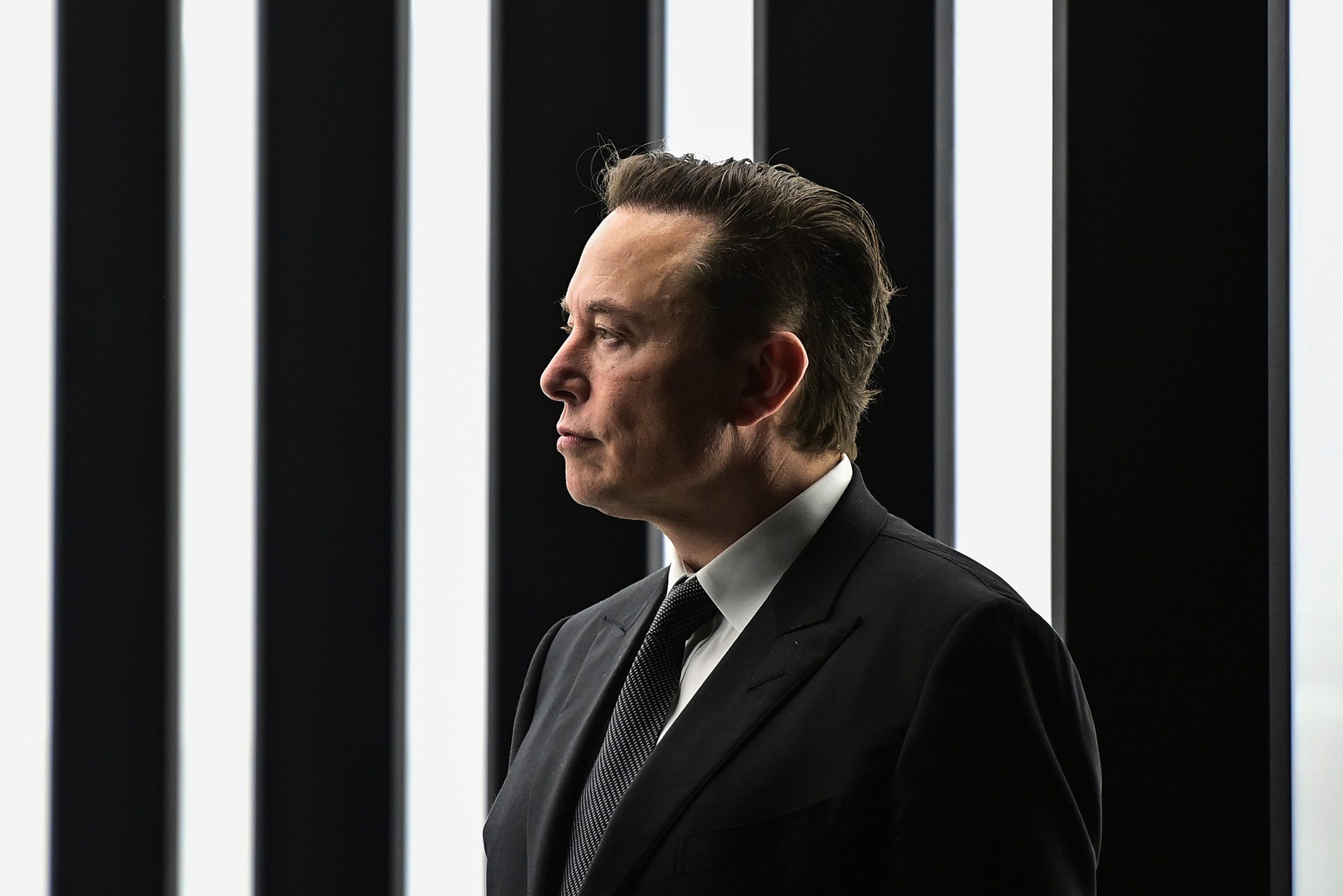
As I noted in my speech, the contemporary American left considers our greatest wealth creators to be no different than these blood-soaked warlords. They look at the likes of Elon Musk, and they see another Genghis Khan. Both are tremendously wealthy, enormously powerful, tenaciously ambitious. As far as the left is concerned, Musk is a softer, subtler version of the ruthless conquerors of the past. Our greatest living entrepreneur is just another brutal man using his power to exploit the weak and vulnerable.
As usual, the American left is profoundly wrong.
Why We Unlearned Conquest
Of course, Elon Musk is nothing like Genghis Khan. And the reason he isn’t is because of the very thing the left despises: American exceptionalism. Two hundred and fifty years ago, our founders created something new – not just a new form of government, but a system that channeled human ambition in an entirely new direction. The founders had no desire to make human beings less willful or driven. What they did seek to do was create a system that took those fundamental human impulses to discover and to dominate -- and direct them towards productive ends.
There is something I’m not sure the left will ever understand about this system, something that goes deeper than economics or politics. Jesus taught that the greatest commandment is to love your neighbor as yourself. The Apostle Paul made clear that love is not a feeling but a verb—it means actively doing what you can to create conditions where your neighbor can thrive. And if we are called to love our neighbor, that love needs to happen at work and in business at least as much as anywhere else.
Christ and the Other Adam
The genius of the American system is that it was the first to align with this theological principle. You cannot build wealth in a capitalist system without serving others. Genghis Khan operated in a world of extraction economics, a world of finite wealth where my gain means your loss. In that world, conquest is the only rational strategy. But capitalism is creation economics. You cannot prosper by extracting. You prosper by creating value that didn’t exist before. That’s why an ambitious person in Khan’s world became a warlord, and an ambitious person in the United States of America becomes an entrepreneur who builds rockets.
As Adam Smith first explained in Wealth of Nations (published just months before the founders gathered to sign the Declaration of Independence), an entrepreneur’s path to abundance is paved with serving customers, employing workers, and improving lives. Capitalism and free enterprise teach that serving others is the path to success and lasting fulfillment. Jesus taught the same thing.
If Elon Musk had been born in Mongolia in 1162, I suspect that he too would have built an empire through conquest. I have no doubt he would have rivaled Genghis Khan in ambition and success. Instead, because he came from South Africa to America to prosper, Musk builds the most advanced electric cars on earth. He connects the world through Starlink. He is literally rewiring damaged brain neurons through Neuralink, restoring possibility and autonomy to ordinary people’s lives. Elon has become the world’s richest man not through extraction, but through imagination, ambition, and service.
The Ghosts of Giants
Elon Musk’s mixture of talent, drive, and genius is exceptional. But it is not unique. The American system has produced countless entrepreneurs across centuries: from the likes of Thomas Edison and the Wright Brothers to Henry Ford and Andrew Carnegie, to Madam CJ Walker (the first African American millionaire) and many others who have improved and transformed our lives. What these entrepreneurs – I call them giants – share isn’t just wealth, or power. What they all share is how they got to where they did: by serving others well. As different as they were, they each channeled their energies and ambitions into giving people what they wanted – or didn’t even dare to imagine wanting.
For Genghis Khan, his drive to succeed required him to become a warlord. Conquest, subjugation, and battle were the only available outlets for his tremendous drive. Just like Elon Musk, the likes of Henry Ford or Andrew Carnegie might well have become chieftains or tyrants had they lived a few centuries earlier, or in a different part of the world. Yet when I think of other contemporary entrepreneurial giants – for example, Sarah Blakely, the founder of Spanx -- I see the same fundamental drives as Khan. Sarah’s imagination, work ethic, drive and genius found expression not through conquest, but through creation. She succeeded not by subjugating millions, but by serving them.
The left gets away with describing bold entrepreneurs as greedy warlords because we have stopped explaining to young people that entrepreneurship is noble. As I noted in my speech last month, we have almost entirely abandoned the work of teaching that building something is profoundly virtuous. Because of that neglect, the left has been able to fill the void with the lie that entrepreneurs exploit rather than create. They preach the false narrative of the zero-sum game, convincing young people that success only comes from stealing.
Our nation’s founders created a system where human ambition could serve humanity instead of destroying it. That system has brought prosperity and flourishing to hundreds of millions. But that system will only survive if we actively defend it against its detractors. We must continue to tell the story of American exceptionalism and American possibility. If we fail, we risk returning to Khan’s world.
Wealth = christianity.
That's why George Soros is the most christian man in the world.
Yep, totally.