

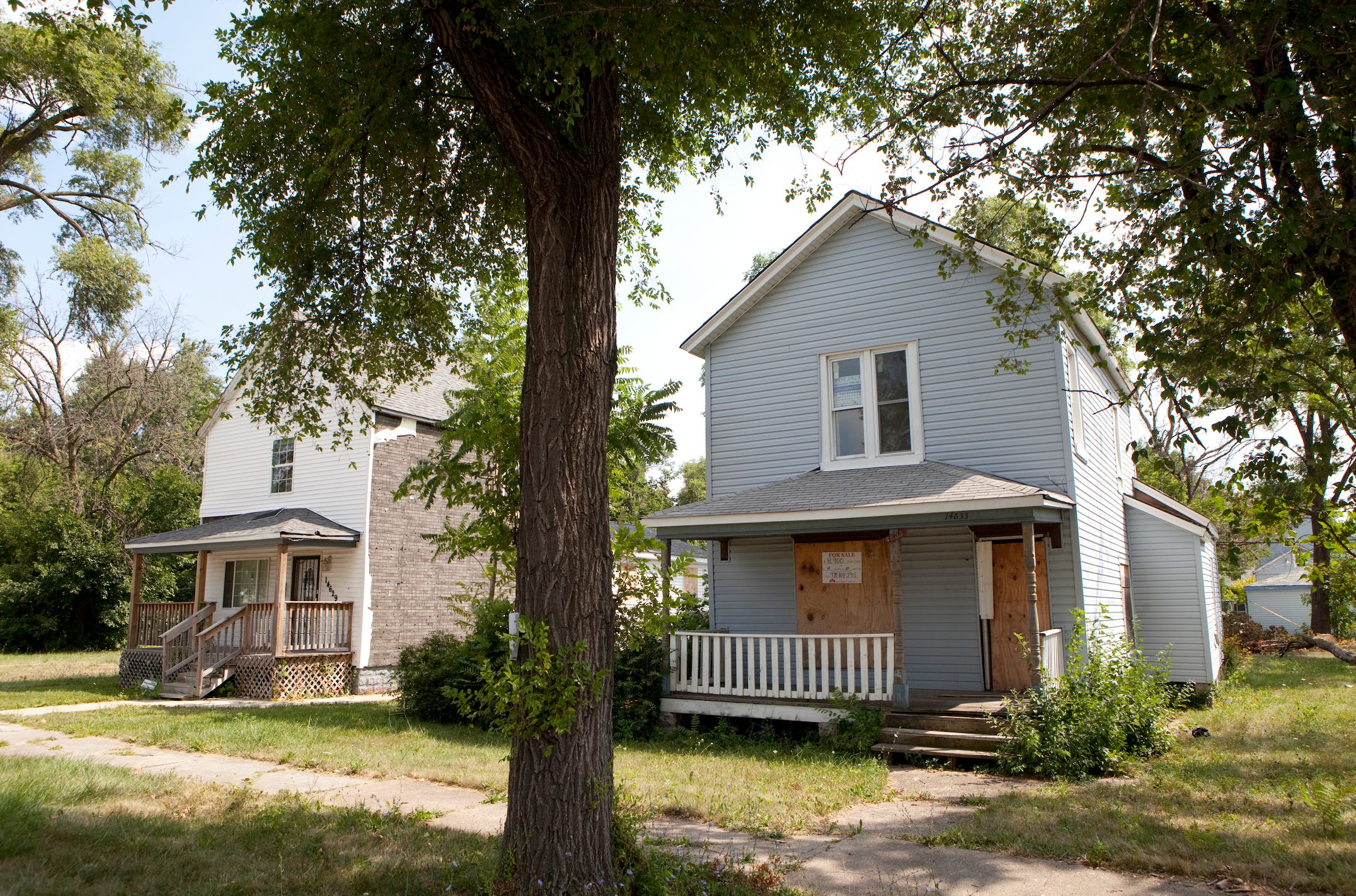
What is the American Dream? Is it opportunity? Is it the freedom to speak one’s mind and worship as one pleases? Is it the Detroit Tigers winning the World Series? To be fair, the last of these is mine, and probably not yours. The first two, though, are at the heart of the American promise. They are joined by something else, something increasingly out of reach: buying a home. The dream of owning, and not merely renting, is slipping further away for millions of young Americans. As I see it, that dream is getting crushed by many factors, chief among them the pernicious influence of Big Green.
Sixty-two percent of Americans now believe buying a home is “unrealistic.” A recent Siena/New York Times poll found that for voters under thirty, half say housing affordability is their top concern—more pressing than retirement, healthcare, education, food, or transportation combined. We are watching the primary vehicle by which ordinary Americans build wealth simply evaporate. We are watching a dream die. And it is dying for a reason.
For decades, I’ve watched the progressive Political Vise operate against American families. I’ve documented how media, influencers, and politicians squeeze ordinary people. But I’ve rarely seen it work with such elegant and comprehensive brutality as it does in the housing crisis.
Dreams Don’t Die of Natural Causes
According to the National Association of Home Builders (NAHB), government regulations now add $131,734 to the cost of a newly built home. That’s 26.4 percent of the entire purchase price. These costs have nothing to do with the price of lumber or labor. They are the result of regulation piled on regulation: environmental impact assessments, stormwater permits, pollution control measures, sustainable building codes, energy efficiency standards, permitting delays, and inspection fees. The regulations themselves seem well-intentioned. Clean water and lower energy bills are worthy goals, but the mechanism used to pursue them is destructive.
The left frames environmental regulations as moral imperatives. They immediately reframe as sheer greed any suggestion that we might balance environmental protection with the basic human need for affordable shelter. A homebuilder who argues that stormwater regulations are adding thousands to the cost of a new home isn’t asking for a reasonable conversation. The media will shriek that “Greedy developers are willing to sacrifice public health for profit!”
Homebuilders have no choice but to comply with these burdensome codes or leave the industry altogether. One way or another, the cost gets passed on. Those who can afford a home pay more. Those who can’t remain renters, shut out from the American dream.
Sainthood’s Hidden Sin Tax
In the Political Vise, I devote an entire chapter to “Big Green.” Many Americans still think of environmentalists as earnest do-gooders reminding everyone to recycle. That may describe your aging Berkeley-educated neighbor in the Grateful Dead t-shirt, but the reality is that the nation’s major environmental organizations are master political operators. Non-profits like the Sierra Club, the Natural Resources Defense Council, and the Environmental Working Group don’t build homes. They will never have to comply with the regulations for which they lobby, but they profit handsomely from the regulatory thicket they create. They pressure politicians and homebuilders through lobbying and litigation, raise millions on their ability to stop building projects, and wrangle huge consulting contracts for those projects that do win approval. Stricter environmental regulation is their business model, and it is a highly effective one.
A young family priced out of the housing market doesn’t have a lobbying budget, nor can a couple in their twenties match the organizational resources of the green lobby. Politicians respond to organized power, not to individual stories of disappointment and frustration. Big Green’s well-heeled lobbyists (wearing fancy suits, not tie-dye) show up where young Americans cannot. The result is that wealth-building through homeownership— the traditional path to prosperity – slips further from the grasp of working and middle-class Americans.
Progressivism Protects the Organized (Not the Powerless)
As the founders designed what I call the traditional Political Vise, the people have leverage. You can vote out the politician who ignores you. The media responds to public pressure, and ordinary people have the capacity to organize. The system was designed so that the people, ultimately, turn the levers. In the progressive Vise, the people are squeezed. The levers are turned by politicians responding to influencers responding to media narratives. Homebuyers can’t vote their way out of $131,000 in regulatory costs. They can’t organize faster than the Sierra Club or match the funding of environmental nonprofits with a combined annual budget in the hundreds of millions.
I like to emphasize the distinction between extraction economics and creation economics. Creation is when a builder constructs a home, a family builds equity, a young couple transforms into homeowners, and a community flourishes. Extraction is when regulatory costs transfer wealth from homebuyers to consultants, lawyers, environmental organizations, and subsidy-rich green-tech companies. The NAHB notes that the median home price has risen 28 percent since the pandemic began in 2020—from $317,000 to $405,000. Regulatory costs during the construction phase alone have risen from 13.3 percent to 17 percent of total price in just five years.
The Rich Ruse
Millennials and Gen Z are angry, the surveys say. They can see that the path to wealth – the one their parents and grandparents took -- is closed to them. The media tries to direct that righteous anger towards the successful, declaring that greedy billionaires are the source of all the suffering. As my Southern friends say, I’m not sure that dog will hunt anymore. Young people are waking up to the reality that environmental regulations, not wealth-creators, are strangling the opportunity to pursue the American Dream.
This is less a debate about the environment versus the economy than it is a simple story about raw power. The housing crisis will end when enough voters understand that it’s not the free market pricing young Americans out of homeownership, but rather regulatory extraction orchestrated by influential environmental elites.
The solution to our housing crisis is in sight. A new generation can claim the American Dream. We need to free home builders from stifling regulations – and we need to pry Big Green’s hands off the Vise.